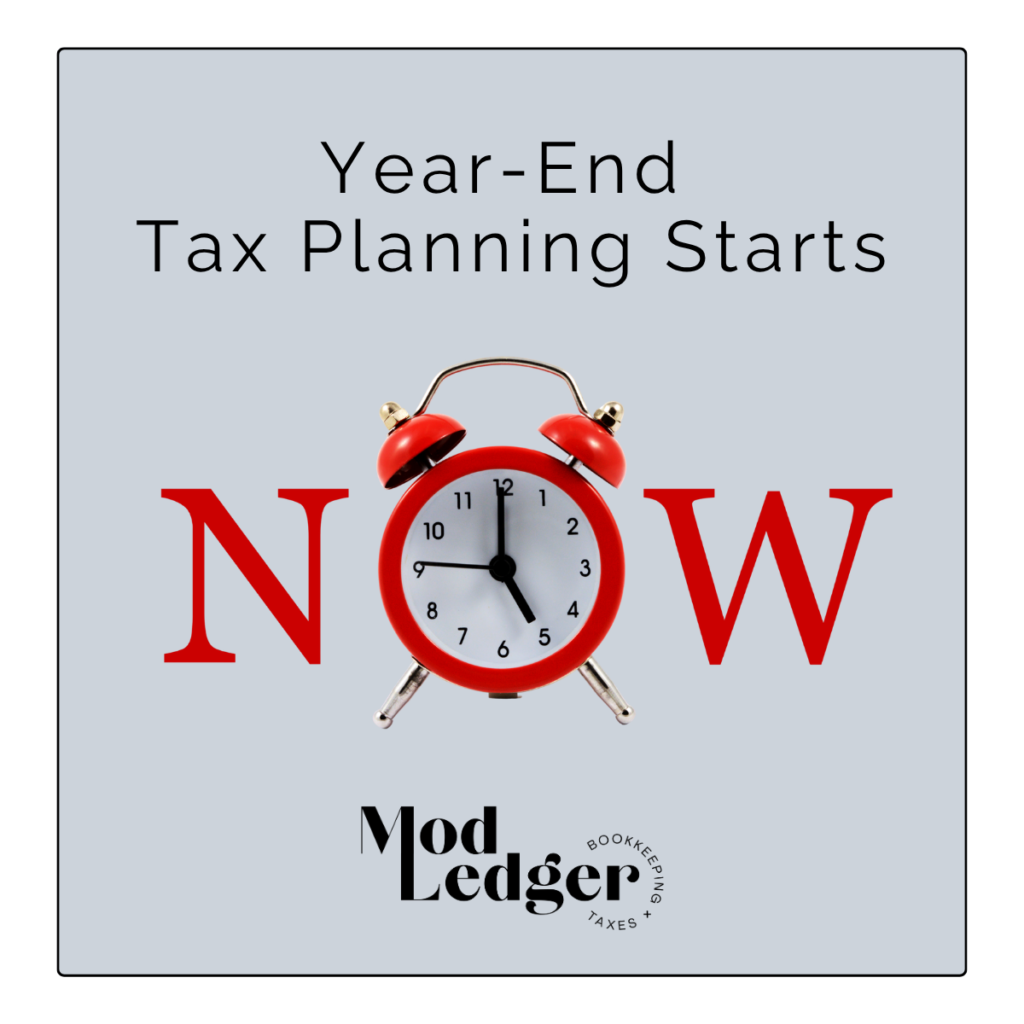
Year-End Tax Planning Starts Now, Here’s Why!
Many business owners think of tax planning as something that happens after the year is over. In reality, the most effective tax planning begins well before December 31. Waiting until tax season limits your options and often leads to missed opportunities, rushed decisions, and unnecessary stress.
Year-end tax planning is about being proactive. It allows you to make informed financial moves while there’s still time for them to matter. Starting early gives you control instead of putting you in reaction mode when deadlines approach.
Tax Planning Is About Strategy, Not Just Filing
Tax filing is the act of reporting what already happened. Tax planning is the process of shaping financial decisions ahead of time to achieve better outcomes.
When planning starts early, you can:
- Anticipate your tax liability instead of being surprised by it
- Adjust income and expenses strategically
- Align business decisions with tax efficiency
- Avoid last-minute scrambles
Once the year closes, many opportunities disappear. Early year-end tax planning starts now to help keep those doors open.
Timing Matters More Than Most People Realize
The timing of income and expenses plays a major role in tax outcomes. Decisions made in the final months of the year can significantly impact how much tax you owe.
Examples include:
- Accelerating or deferring income
- Timing large purchases or investments
- Adjusting estimated tax payments
- Managing bonuses or owner compensation
These actions require foresight. Starting year-end planning now gives you the runway to evaluate options carefully instead of making rushed moves under pressure.
Clean Books Make Planning Possible
Effective tax planning relies on accurate, up-to-date financial records. Without clean books, planning becomes guesswork.
When your bookkeeping is current:
- Profit estimates are more reliable
- Cash flow projections are clearer
- Deductions are easier to identify
- Conversations with tax professionals are more productive
If records are behind, much of the planning window gets consumed by cleanup rather than strategy. Early preparation ensures your time is spent on optimization, not correction.
Cash Flow and Tax Planning Go Hand in Hand
One of the most stressful tax scenarios is owing more than expected and not having the cash available to pay it. Year-end tax planning starts now to help align tax obligations with cash flow reality.
By starting early, you can:
- Set aside funds gradually
- Adjust spending plans
- Avoid emergency financing
- Prevent penalties and interest
Tax planning isn’t just about reducing taxes, it’s about avoiding cash flow shocks.
Business Changes Can Affect Taxes Quickly
Growth, new revenue streams, hiring, or major purchases can change your tax picture faster than expected. Waiting until year-end to evaluate these changes may be too late to respond effectively.
Early planning allows you to:
- Assess how changes affect taxable income
- Adjust strategies as the business evolves
- Avoid unintended consequences
- Coordinate decisions across the business
Taxes don’t exist in isolation. They’re tied closely to operational choices.
Personal and Business Taxes Are Often Connected
For many business owners, business income flows directly into personal tax returns. This means year-end tax planning starts now, should consider the full financial picture, not just the business.
Early planning helps coordinate:
- Owner compensation and distributions
- Retirement contributions
- Withholding and estimated payments
- Personal deductions and credits
Addressing these elements together creates more efficient outcomes than treating them separately.
Fewer Surprises Mean Less Stress
Uncertainty is one of the biggest sources of financial stress. Year-end tax planning starts now, replaces uncertainty with clarity.
Instead of wondering:
- “How much will I owe?”
- “Did I miss something important?”
- “Can I afford this expense?”
You have informed estimates and a plan. That confidence makes the final months of the year more manageable and far less stressful.
Better Conversations With Your Tax Professional
Starting early improves the quality of professional advice you receive. When you engage before year’s end:
- There’s time to explore multiple scenarios
- Advice is proactive instead of reactive
- Recommendations are tailored to real numbers
- Decisions feel intentional, not rushed
Strong planning relationships are built on timing as much as expertise.
Planning Supports Long-Term Goals
Year-end tax planning starts now isn’t only about the current year. It supports bigger picture goals like growth, stability, and sustainability. When taxes are part of the broader financial strategy, they become a tool, not a burden.
Early planning helps align tax strategy with:
- Expansion plans
- Hiring goals
- Cash reserves
- Investment decisions
Year-end tax planning starts now because timing is everything. The earlier you begin, the more options you have, the more control you gain, and the less stress you carry into tax season.
Year-End Tax Planning Starts Now Summary
Year-end tax planning starts now! Proactive planning transforms taxes from a last-minute obligation into a strategic advantage. By starting early, you’re not just preparing for year’s end, you’re setting your business up for a smoother, more confident financial future!